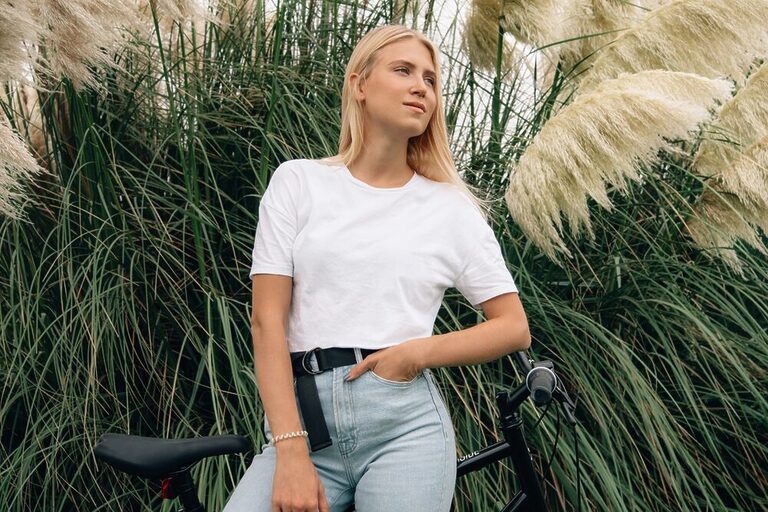
Before you sell, test! Print on demand samples let you feel the fabric, check the print, and make sure your high quality print on demand products meet expectations. From Printify samples to Printful print quality, ordering a sample POD is the easiest way to avoid surprises and ensure your customers get only the best.
Read also: Why Custom Car Accessories Are a Profitable Niche in Print on Demand
Why you should order print on demand samples
Ordering print on demand samples might feel like an extra step, but it’s one of the smartest moves for any creator. Getting your hands on a sample POD helps you catch potential issues before your customers do and ensures that your high quality print on demand products truly live up to expectations. Here’s why sampling is worth it:
Test Print Quality of Your Print on Demand Samples
Holding a Printify sample or checking Printful print quality lets you see how vibrant the colors are, how sharp the designs print, and whether the materials feel premium. This way, you know your products will match your store’s promise of quality.
Check Sizes and Fit of Your Print on Demand Samples
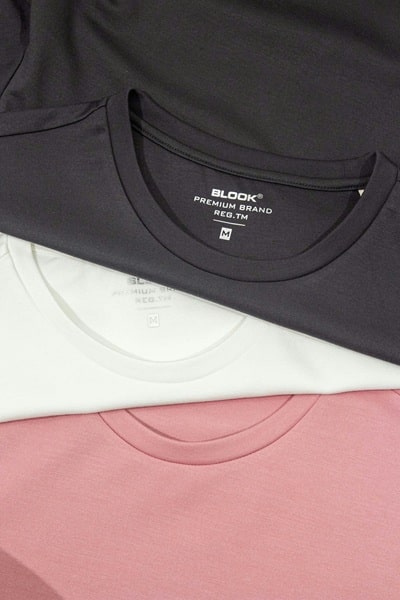
Nothing is worse than a customer returning a shirt because it runs small. Ordering samples lets you verify if the sizing charts are accurate and consistent, especially for the best quality print on demand clothing and the best quality POD shirts.
Wash Test Your Print on Demand Samples
Clothes shrink, colors fade, and prints can crack if the materials aren’t durable. Testing a sample through a few washes helps you know which fabrics hold up and ensures your customers get long-lasting products.
Evaluate Packaging of Print on Demand Samples
A product’s presentation matters. Sample orders show you how the items arrive, whether the packaging protects the product, and feels professional. This small detail can make a big difference in customer satisfaction.
Spot Inconsistencies on Print on Demand Samples
If two samples of the same product vary in print or fabric quality, it’s a red flag. Noticing inconsistencies early helps you choose the print on demand best quality providers and avoid disappointing buyers.
Improve Your Store Content with Print on Demand Samples
Samples also give you the chance to write better product descriptions, take attractive photos, and plan your marketing. Showing real-life images of your best quality print on demand shirts or best quality print on demand clothing builds trust and encourages purchases.
Read next: How to Start a Profitable Print-on-Demand Clothing Brand on a Budget
How to order print on demand samples and save money
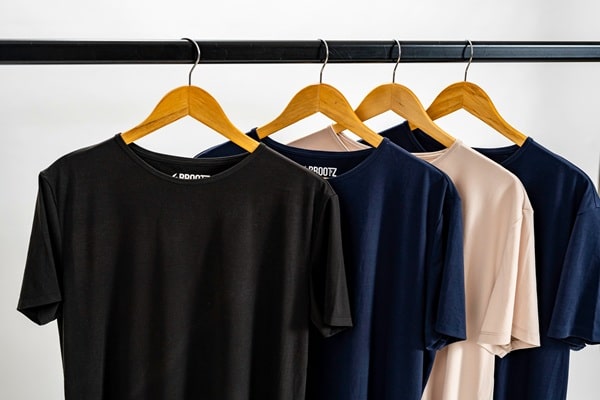
Getting your hands on print on demand samples is easier than you think – and it doesn’t have to break the bank. A smart sampling strategy ensures your high quality print on demand products meet your standards while keeping costs low. Here’s how to make the most of your sample orders:
Use Sample Discounts
Platforms like Printify often offer sample discounts or occasional promotions. Keep an eye out for Printify sample discount offers or free shipping codes – it’s a perfect way to test products without paying full price.
Start with Your Top Products
Order samples of the items you plan to sell most. Testing best quality POD shirts or best quality print on demand clothing first ensures you focus on products that will matter most to your customers.
Compare Providers
Try multiple providers for the same product type. Ordering both a Printful sample and a Printify sample can reveal differences in print quality, materials, and color accuracy, helping you choose the print on demand best quality supplier.
Test Variations
If you sell different colors or sizes, order a few variations to check consistency. It’s much better to catch shrinkage, print issues, or sizing inconsistencies early than after customers start receiving the products.
Keep Notes for Your Store
Samples don’t just help with quality – they help you create better product listings. Use your photos, describe textures and fit accurately, and highlight why your high quality print on demand products stand out from the competition.
How to sell high quality print on demand products WITHOUT ordering POD samples
Sometimes, money is tight, and ordering multiple print on demand samples just isn’t in the budget. That’s okay – you can still make sure your store offers high quality print on demand products without breaking the bank. While samples are ideal, there are smart ways to test your products and curate the best items before investing heavily.
Use Mockup Services
Platforms like PlaceIt let you create realistic mockups of your designs. While these won’t physically test fabrics or print durability, they’re excellent for product photos, marketing materials, and getting a feel for how your design translates onto a shirt, mug, or other item. Try PlaceIt today to see your products in action.
Check Honest Reviews
Look for verified reviews from other sellers. Reviews often reveal if sizes run small, colors fade, or prints crack after washing. This feedback can help you separate the best quality POD shirts and Printify clothing quality from lower-quality options without ordering a sample yourself.
Research Provider Specs
Read through the print provider’s specifications carefully. High-resolution artwork requirements, fabric materials, and recommended wash instructions give you clues about print on demand quality. Providers who list clear specs are usually more reliable.
Join Seller Communities
Online groups and forums often share firsthand experiences. Other POD sellers can give you insights about which providers consistently deliver best quality print on demand clothing and Printful print quality, helping you avoid bad batches.
Start Small
Even without samples, begin with a limited product run. This allows you to test customer feedback and verify quality through returns or reviews before scaling up. It’s a low-risk way to sell confidently while building your store.
Optimize Your Listings
High-quality images, detailed descriptions, and clear sizing charts reduce customer uncertainty and boost trust. Mockups, screenshots, and detailed info can make your products feel professional even without physical samples.
Best Quality Print on Demand Sites
Choosing the right provider can make or break your POD business. Knowing which print on demand best websites consistently deliver high quality print and reliable service saves time, money, and headaches. Here’s a curated list of the top POD sites that stand out for their materials, printing, and overall experience.
Printful
Printful is famous for consistent Printful print quality and a wide product range. From shirts to mugs, their prints are sharp, colors are accurate, and their apparel tends to hold up well after multiple washes. Their interface is user-friendly, they integrate seamlessly with Shopify, Etsy, and other platforms, and they offer branding options like custom labels and packing slips.
Printful Print Quality
Printful print quality is known for its sharp, vibrant, and long-lasting prints. Their DTG and sublimation techniques ensure designs come out crisp, colors remain accurate, and prints resist fading over time. Apparel and accessories maintain a professional look wash after wash, making them a reliable choice for creators who want high quality print on demand products that leave a great impression on customers every time.
WooCommerce – The Perfect Choice for Print-on-Demand Stores!
Build your store with WooCommerce, the #1 eCommerce plugin for WordPress. Free to start (you only pay for hosting), scalable with extensions, and perfect for selling physical or digital products directly from home.
Get Started with WooCommercePrintify
Printify partners with multiple print providers, allowing you to compare quality and costs. You can test Printify clothing quality and Printify t-shirt quality through sample orders to pick the best provider for your niche. Their catalog includes apparel, home goods, and accessories, and their premium subscription lowers product costs, making them ideal for sellers who want flexibility without compromising quality.
Printify Sample Discount
A Printify sample discount is a great way to test products without paying full price. Occasionally, Printify offers promotions or coupons that reduce the cost of ordering a sample POD. This allows creators to verify Printify clothing quality, check print accuracy, and take photos for marketing, all while saving money and avoiding unnecessary upfront investment. Keeping an eye on these discounts is smart for budget-conscious sellers.
Printify Free Samples
While full free samples are rare, Printify free samples occasionally pop up via promotions or partner programs. These allow sellers to test Printify t-shirt quality and other products at little or no cost, helping verify materials, sizing, and print fidelity. Even when full free samples aren’t available, discounted or trial options give a chance to preview products before committing to bulk orders or adding them to your store.
Printify Clothing Quality
Printify clothing quality varies depending on the provider you choose within their network, but top-tier options feel soft, durable, and true to size. Ordering samples is key to testing the best quality print on demand clothing, ensuring fabrics hold up to washes and prints remain crisp. With consistent checks, you can confidently offer garments that meet your store’s standards and delight customers every time.
Printify T-Shirt Quality
Printify t-shirt quality depends on both the provider and fabric choice, but premium options offer soft, durable cotton or cotton-blend shirts that hold prints well. Checking Printify t-shirt quality via sample orders helps ensure accurate sizing, vibrant colors, and lasting comfort. With a little testing, you can confidently sell the best quality POD shirts that customers love and return to buy again.
Teespring / Spring
Spring (formerly Teespring) makes selling simple with no upfront costs and easy-to-use design tools. Their print quality is reliable for apparel and accessories, and they offer global fulfillment centers. Spring is particularly popular for creators selling merchandise through social media platforms, and it provides ready-made mockup tools to showcase your high quality print on demand products without needing physical samples immediately.
Gooten
Gooten provides a wide variety of products and a strong fulfillment network. They excel at custom home goods, mugs, and wall art. By reading reviews and ordering sample POD products, you can verify print on demand quality before committing. Their automated order management and integrations with major e-commerce platforms help streamline your store while maintaining consistent output.
Redbubble
Redbubble is best for artists looking to sell unique designs on apparel, stickers, and home decor. Their best quality POD shirts and art prints are usually durable, and they handle fulfillment and shipping globally. While you have less control over branding, it’s an easy way to test ideas, reach an audience, and get insights into what designs perform best without upfront inventory costs.
Zazzle
Zazzle offers customizable products across a massive catalog and provides high-resolution printing. Their POD quality is consistent, and they support small design shops well. Zazzle is perfect for sellers who want print on demand best websites that allow extensive customization and a variety of product types without worrying about production logistics.
Society6
Society6 specializes in art prints, home decor, and lifestyle products. Their print quality is excellent for wall art and lifestyle items, and the company handles production and shipping. Artists benefit from a platform that emphasizes creative designs, making it easier to sell high quality print on demand products without managing a separate fulfillment system.
Spreadshirt
Spreadshirt is a fun and versatile option if you want to sell custom apparel with ease. Their design tools are super beginner-friendly, and you can create everything from t-shirts to hoodies with minimal effort. While they may not always offer the very best print quality compared to Printful or Printify, they make up for it with a strong marketplace, quick fulfillment, and solid global reach. It’s a great choice for creatives who want to test ideas quickly.
Tips for ensuring high quality in print on demand products
Making sure your customers get high quality print on demand products is essential for repeat sales and a strong store reputation. Even if your POD provider is reliable, there are ways to double-check that everything meets your standards.
Use High-Resolution Artwork
Always upload designs at the recommended resolution (usually 300dpi or higher). Crisp, clear images make a huge difference in best quality POD shirts and other apparel, preventing blurry or pixelated prints.
Verify Print and Fabric Quality
Order sample POD items whenever possible. Check how the print feels on the fabric, whether the colors match your expectations, and if garments like best quality print on demand clothing hold up after washing.
Check Color Accuracy
Monitor how colors appear in real life compared to your digital mockups. Platforms like Printful and Printify provide guides for color profiles, which help ensure your designs look vibrant and consistent across all products.
Read Reviews From Other Sellers
Reviews are invaluable for spotting potential issues. Honest feedback on Printify t-shirt quality or Printful print quality can alert you to common problems, helping you avoid poor-performing products before you invest heavily.
Pay Attention to Sizing
Size charts vary between providers and even between product lines. Comparing measurements and testing a sample POD ensures that the best quality POD shirts fit true to size, preventing returns and unhappy customers.
Inspect Packaging
Presentation matters. High-quality packaging can enhance customer experience and reflect your brand’s professionalism. Checking print on demand best quality packaging for samples lets you see how your products arrive to buyers.
Keep Notes for Consistency
Document what works: providers, materials, designs, and colors. Consistency is key for building trust in your store and keeping your high quality print on demand products reliable across multiple orders.
Frequently Asked Questions
Are Printify samples free?
Printify samples are usually not free — you pay production and shipping. Occasionally you’ll find a Printify sample discount or promotional offer, but most creators order and pay for samples to check print quality before selling.
Can you get a sample from Printify?
Yes — you can order a sample via the Printify dashboard by adding the product to a test order. You’ll pay normal production and shipping fees, though sometimes discounts or partner coupons lower the cost.
Does Printful give free samples?
Printful typically charges for samples — production and shipping apply. Creators may get sample discounts in some programs, but free full-product samples are rare. Ordering samples is the reliable way to verify Printful print quality.
Is it legal to use Canva for print-on-demand?
Yes — if you follow Canva’s license terms. Many Canva elements allow commercial use, but avoid trademarked or restricted graphics and check whether an extended license is needed. Always verify licenses before selling designs on POD sites.
What are print-on-demand business examples?
Common POD businesses include custom t-shirts, mugs, phone cases, art prints, and apparel lines sold via Etsy, Shopify or Amazon. Creators also offer limited-run drops, artist print shops, and niche-branded merchandise using POD fulfillment.
Can I return Printify samples?
Returns depend on the print provider and the issue. If a sample is defective, contact the provider and Printify support — many providers offer reprints or refunds for production defects, though normal returns may be limited.
How to get high quality print?
Order POD samples, use high-resolution artwork (300dpi+), pick reputable providers, and follow file specs. Test Printful print quality and Printify clothing quality, check color profiles, and iterate until the sample matches your quality standards.
Which print quality is better, 300dpi or 600dpi?
600dpi captures finer detail, but 300dpi is the industry standard for most POD products and is usually sufficient for apparel and mugs. For high-end art prints, 600dpi can offer visible improvements — balance quality needs and file size.
Is Printful legal?
Yes — Printful is a legitimate print-on-demand fulfillment company. Sellers must still follow copyright and trademark law and Printful’s terms of service. Always ensure you own rights to the designs you upload and sell.
Does Printful still do sample orders?
Yes — you can place sample orders on Printful by ordering products to your address. Sample discounts may apply depending on account or promotions, but production and shipping costs usually still apply.
Can I sell products on Printify for free?
You can start selling with Printify’s free plan, but production and fulfillment costs are charged per order. A paid Printify Premium subscription offers lower product costs, but listing and integrations can be used on the free tier.
What is the highest quality in printing?
“Highest quality” depends on factors like resolution, color accuracy, substrate, and print method. For POD, look for providers that offer accurate color profiling, high-res DTG or dye-sublimation, and premium substrates for the best results.
I’ve already tested my print on demand samples – now what?
So, you’ve checked the fabrics, verified the print quality, and made sure your samples hold up after a wash test. Great! Now what? It’s time to move from testing to selling. The best way to take full control of your POD business is by launching your own store with WooCommerce. You’ll keep your profits, grow your brand, and build lasting customer relationships – without being limited by a marketplace.
👉 Start your WooCommerce store today and turn those tested samples into a real business:
WooCommerce – The Perfect Choice for Print-on-Demand Stores!
Build your store with WooCommerce, the #1 eCommerce plugin for WordPress. Free to start (you only pay for hosting), scalable with extensions, and perfect for selling physical or digital products directly from home.
Get Started with WooCommerce
Read Next:
Is Etsy Print on Demand Worth It? Pros, Cons & How to Start
45 Profitable Small Business Ideas From Home With Low Investment
Best Creative Business Ideas in 2025: Earn Money Online
Easy Beginner-Friendly e-Commerce Platforms for Side Hustle in 2025
Best Creative Business Ideas in 2025: Earn Money Online