Let’s get this out of the way early:
If you’re Googling “Is dropshipping still worth it in 2026?”
you’re probably already suspicious.
You’ve seen the YouTube thumbnails.
You’ve heard someone say “passive income” with way too much confidence.
And some small part of your brain is whispering:
“This feels… late?”
Yep, your instincts are excellent. 👌🏻
This post won’t sell you a dream, scare you off dramatically, or pretend dropshipping is either dead or magical.
Instead, we’ll talk about what dropshipping actually looks like in 2026, whether it makes sense for you and your online business aspirations, and which e-commerce platform can help you make money online.

What Dropshipping Actually Is (Quick Refresher, No TED Talk)
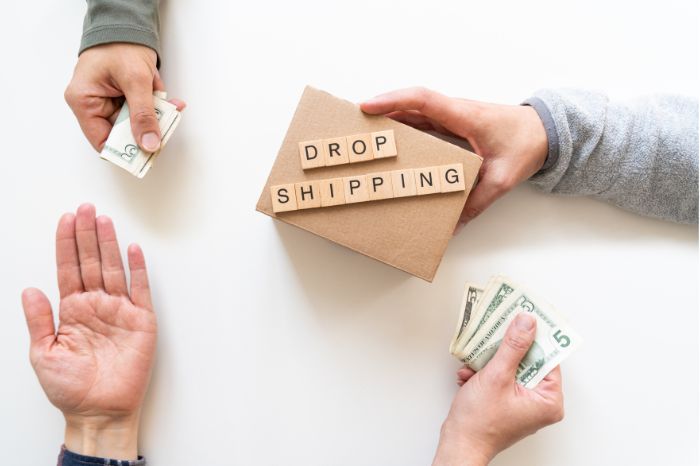
Dropshipping is an e-commerce model where:
- You sell products in your own store with a simple setup
- You don’t hold inventory
- A supplier ships the product directly to your customer
In theory, it sounds perfect:
No stock. No warehouse. Just vibes and profits.
In practice?
Dropshipping is basically e-commerce but with commitment issues, lol.
You still:
- Handle marketing
- Handle customer support
- Handle refunds
- Handle angry emails about shipping delays you didn’t cause
You just don’t handle boxes in your living room. Small win already. 👍🏻
Why Dropshipping Feels “Dead” in 2026
People aren’t wrong for being skeptical. Dropshipping feels harder now — because it is.
Let’s unpack why.
Saturation Is Very Real (Yes, Even in “Untapped Niches”)
At this point, most trending products have been:
- Sold
- Re-sold
- Reviewed on TikTok
- And exposed as “that thing everyone is selling”
You’re not just competing with other beginners — you’re competing with:
- Established brands
- Amazon-level expectations
- Customers who have seen this product before
💡 That doesn’t make dropshipping impossible.
It just means copy-paste stores don’t survive anymore.
Ads Got Expensive (And Much Pickier)
In 2026:
- Facebook ads aren’t cheap
- TikTok ads aren’t forgiving
- “Let’s just test it” can burn money fast
If your entire plan is:
“I’ll just run ads and see what happens”
What happens is usually:
📉 budget disappears
📧 inbox fills with refund requests
🫠 confidence slowly evaporates
Dropshipping today requires real marketing skills, not vibes.
Customers Expect Amazon… Even When You’re Not Amazon
Customers now expect:
- Fast shipping
- Easy returns
- Clear communication
- Real branding
- Trust
And they don’t care that you’re a “small business” if:
- Shipping takes 3 weeks
- Tracking updates disappear into the void
- The product doesn’t match the photos
This is one of the biggest reasons beginner stores fail — not because dropshipping is a scam, but because expectations changed.
So… Is Dropshipping Actually Still Worth It?
Short answer?
Sometimes. But not casually.
Longer answer: dropshipping still works when it’s treated like a real business, not a side experiment fueled by hope and caffeine.
Read below:
When Dropshipping Can Still Work in 2026
Dropshipping makes sense if:
- You’re willing to build a brand, not just a store
- You enjoy marketing, storytelling, or content
- You’re okay with slower starts
- You treat it as a learning model, not instant income
It works best when paired with:
- Content creation
- Email lists
- Strong positioning
- Narrow, specific audiences
💡 Think: business, not shortcut.
When Dropshipping Is a Terrible Idea
You should probably skip dropshipping if:
- You want fast money
- You hate customer support
- You don’t enjoy marketing at all
- You expect automation from day one
- You’re allergic to problem-solving
💡 Dropshipping is not passive income.
It’s customer service with a storefront.
Dropshipping vs Other Online Business Models (2026 Reality Check)
Let’s zoom out — because dropshipping is just one option.
Compared to:
- Digital products → higher margins, slower trust-building
- Marketplaces (Etsy, Gumroad) → less control, faster validation
- Service-based income → fastest money, limited scalability
- Blogging & affiliate income → slow burn, strong long-term assets
💡 Dropshipping sits somewhere in the middle:
- Faster than blogging
- Harder than services
- Riskier than digital products
- Less “owned” than you think
👉 If you want the full breakdown, this pairs perfectly with:
E-Commerce vs Marketplaces vs Digital Products: Pros & Cons
Common Beginner Mistakes (That Kill Dropshipping Fast)
Most failed stores don’t fail because dropshipping is dead.
They fail because of very predictable mistakes.
Like:
- Competing on price instead of trust
- Copying product descriptions
- Ignoring branding entirely
- Expecting automation before profits
- Treating customer support like an inconvenience
(Yes, I promise people will email you. A lot.)
This connects directly to:
Common E-Commerce Mistakes Beginners Make (And How to Avoid Them) — because history loves repeating itself online.
A Smarter Way to Approach Dropshipping in 2026
Here’s the mindset shift that changes everything:
Use dropshipping as a testing model — not the final destination.
Smart creators now:
- Validate products with dropshipping
- Build an audience first
- Turn winners into stocked products later
- Combine content + commerce
Instead of:
“I’ll automate everything”
Think:
“I’ll learn what actually sells, then optimize.”
It’s calmer. More strategic. And much less stressful.
So… Should You Try Dropshipping?
Let’s make this easy.
Dropshipping might make sense if:
- You like marketing
- You’re patient
- You want an entry point into e-commerce
- You’re okay learning as you go
Skip it if:
- You want a predictable income
- You hate customer support
- You’d rather build long-term assets
- You prefer skills-based work or content creation
And that’s okay.
There are many ways to make money online in 2026. It’s just a matter of having some patience to find the best fit for you.
Better Alternatives for Most Creators (Honestly)
For a lot of creators, these models are simply more sustainable:
- Digital products
- Blogging + affiliate income
- Marketplaces
- Skill-based services
- Content-led businesses
Final Verdict: Dropshipping Isn’t Dead — But the Fantasy Is
Dropshipping in 2026 isn’t a scam.
It’s just not a shortcut anymore.
If you treat it like:
- A business
- A skill-building phase
- A testing ground
It can work.
If you treat it like:
- Passive income
- A weekend project
- A replacement for learning marketing
It will quietly disappoint you.
And honestly?
That clarity is a gift.
Because building financial independence isn’t about chasing every trend — it’s about choosing the model that fits your energy, skills, and tolerance for chaos.
And that’s exactly what this whole Creator Economy ecosystem is here for.
FAQs: Dropshipping in 2026
Is dropshipping still profitable in 2026?
Yes — but only with strong branding, marketing skills, and realistic expectations.
Is dropshipping too saturated?
Generic stores are. Niche-focused, trust-driven brands still have room.
How much money do you need to start dropshipping?
Technically little. Realistically? Enough for tools, testing, and learning without panic.
Is dropshipping better than selling digital products?
Not usually. Digital products have higher margins and fewer headaches for most creators.
Is dropshipping good for beginners?
Only if they’re willing to learn marketing and customer service — not if they want fast wins.